

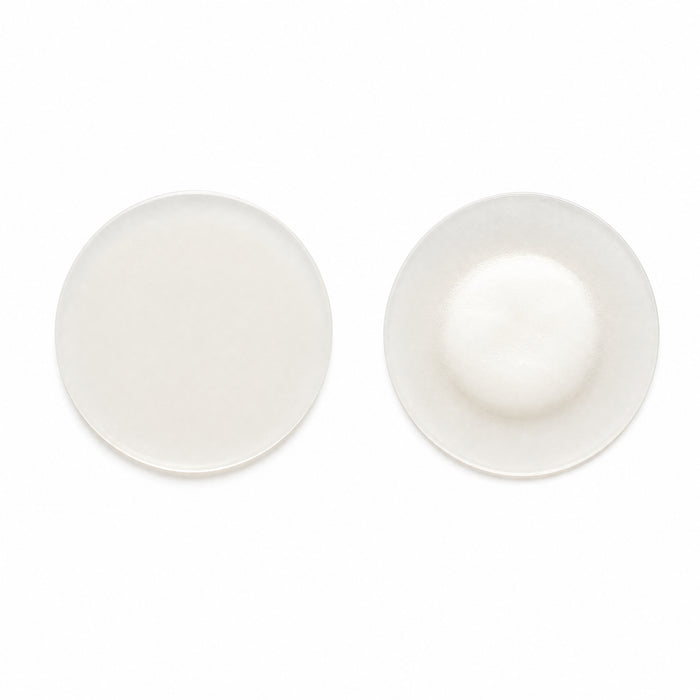
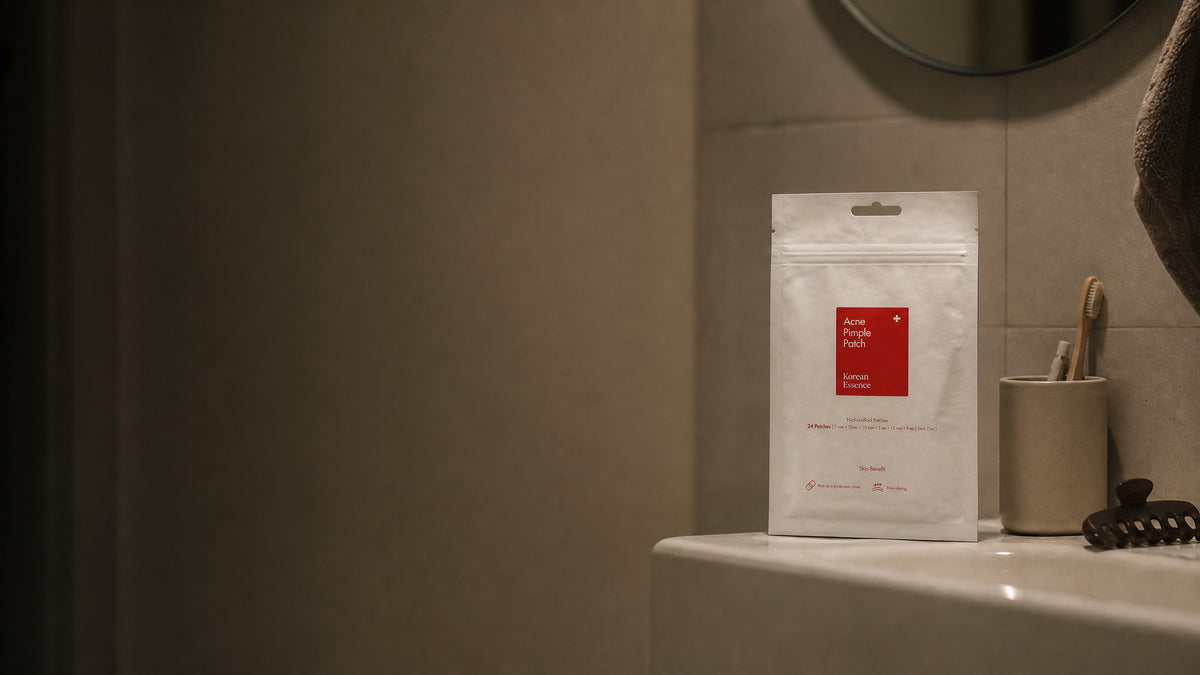
Hydrocolloid Acne Patches are small, thin patches for a pimple that already has a white head. The hydrocolloid in the patch absorbs the fluid at the surface and turns white as it does, and the patch protects the pimple from fingers, your pillow and makeup, making it easier to leave alone. One sheet has 24 patches in three sizes, 7, 10 and 12 mm. No active ingredients, no fragrance, no parabens and no dyes. The patches do not help on deep, tender pimples with no head and do not remove redness, where there is nothing yet at the surface to absorb.
FREE DELIVERY
+
SALE NOW
+
24 HYDROCOLLOID PATCHES IN THREE SIZES, FOR PIMPLES WITH A WHITE HEAD
+
FREE DELIVERY
+
SALE NOW
+
24 HYDROCOLLOID PATCHES IN THREE SIZES, FOR PIMPLES WITH A WHITE HEAD
+
FREE DELIVERY
+
SALE NOW
+
24 HYDROCOLLOID PATCHES IN THREE SIZES, FOR PIMPLES WITH A WHITE HEAD
+
FREE DELIVERY
+
SALE NOW
+
24 HYDROCOLLOID PATCHES IN THREE SIZES, FOR PIMPLES WITH A WHITE HEAD
+
FREE DELIVERY
+
SALE NOW
+
24 HYDROCOLLOID PATCHES IN THREE SIZES, FOR PIMPLES WITH A WHITE HEAD
+
FREE DELIVERY
+
SALE NOW
+
24 HYDROCOLLOID PATCHES IN THREE SIZES, FOR PIMPLES WITH A WHITE HEAD
+


- ✨ Absorbs fluid
- 👍 Protects against picking
- 🔄 24 patches, 3 sizes
Hydrocolloid Acne Patches, 24 patches in three sizes for pimples with a white head
£18.00
£24.00
SAVE
£6.00
60-day satisfaction guarantee, no questions asked
Free delivery on all orders
Do the patches suit your pimple?
A patch helps on some pimples and not at all on others. See which kind you have, in 30 seconds.
What the patches do:
- Draws up the fluid from a spot with a white head and turns white as it does
- Protects the spot from fingers, pillow and make-up, so that you leave it alone
- Thin and almost invisible on the skin, even under make-up
- Three sizes, 7, 10 and 12 mm, choose a patch slightly larger than the spot
- No active ingredients, no fragrance, no parabens or colourants
- Stays on overnight on clean, dry skin
Hydrocolloid
Fragrance free
24 patches

Hydrocolloid (Cellulose Gum)
The material that does the job. Cellulose gum draws fluid from a pimple with a white head and forms a soft, white gel in the patch. The same type of material has long been used in wound care dressings.

Thin outer film
The patch's outermost layer is a thin, flexible polyurethane film (Polyurethane Film). It holds the patch together, follows the skin as you move your face, and makes the patch almost invisible.

Adhesive layer
Styrene Isoprene Styrene Block Copolymer, Polyisobutylene and Petroleum Resin make the patch stick, and Liquid Paraffin keeps the layer soft. The patch sticks best on clean, completely dry skin when you press it into place for 10 to 20 seconds.

Three sizes
24 patches on one sheet: 10 patches at 7 mm, 5 at 10 mm and 9 at 12 mm. Choose a patch a little bigger than the pimple, so the edge sits on clear skin and the patch holds better.

No active ingredients
The patch contains no salicylic acid, no tea tree and nothing antibacterial. Tetrakis Methane sounds chemical but is a trace antioxidant that keeps the material stable. Fragrance, paraben and dye free according to SkinSAFE.
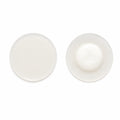
One patch, once
Each patch is used once. Peel it off slowly from one edge, low along the skin, ideally after a warm shower if it is stuck fast. If the centre has turned white, the patch has absorbed what it can.
Thin hydrocolloid patches for pimples with a white head. They absorb fluid at the surface, protect against fingers and friction, and cover the pimple, with no active ingredients at all.
- 24 patches in three sizes: 10 × 7 mm, 5 × 10 mm and 9 × 12 mm
- Seven materials and no active ingredients, no salicylic acid and no tea tree
- Fragrance, paraben and dye free according to SkinSAFE
- Hydrocolloid is well documented in wound care, research on pimples is limited (Journal of Clinical Medicine 2025)
24
PATCHES IN THE PACK
Three sizes on one sheet.
3
SIZES
7, 10 and 12 mm for different pimples.
0
ACTIVE INGREDIENTS
Just hydrocolloid, nothing else.
1x
USE PER PATCH
One patch, one pimple, once.
FROM EVENING TO MORNING
 1
The first hours
The patch sits thin over the pimple and protects it from fingers and your pillow. The hydrocolloid starts drawing fluid from the white head.
1 / 3 2
In the morning
The centre of the patch has turned white. That is the fluid from the pimple, absorbed into the patch. Peel it off slowly from one edge.
2 / 3 3
Day 2 to 3
If there is still fluid at the surface, apply a new patch the next evening. If the patch no longer turns white, it has nothing more to absorb. Redness can remain, the patch does not remove it.
3 / 3


Swipe for next
THREE REASONS TO CHOOSE THE PATCHES

Absorbs & Protects
Hydrocolloid absorbs the fluid from a pimple with a white head and protects it from fingers and friction. No active ingredients, just the material that does the job.
1 / 3
Thin & Almost invisible
A thin film that follows the skin and is barely visible, so the patch can stay on through the day and under makeup.
2 / 3
Three sizes & 24 patches
10 patches at 7 mm, 5 at 10 mm and 9 at 12 mm, so there is a size for both small whiteheads and larger surface pimples.
3 / 3


Swipe for next
One patch, one night. Technique decides how well it holds.
Hydrocolloid is well documented in wound care, research on pimples is limited. We promise only what it does.
-
CLEANSE
Clean, dry skin
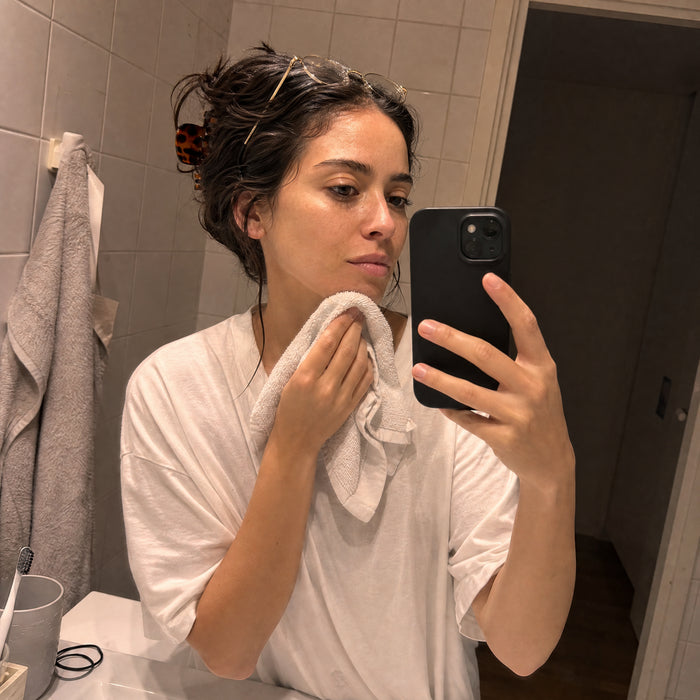
Wash and dry the skin completely. The patch will not stick to damp or oily skin.
-
PRESS ON
10 to 20 seconds
Choose a patch a little bigger than the pimple and press it into place.
-
PEEL OFF SLOWLY
Low along the skin
Peel the patch from one edge, low along the skin. If stuck fast, try after a shower.
-
USE ONCE
One patch, once
If the centre is white, it has absorbed what it can. Discard and reuse as needed.
Hydrocolloid, according to the research


"Hydrocolloid dressings are well documented in wound care. They absorb light to moderate fluid and keep the surface moist and protected. Research on pimples specifically is limited, the authors write."
Hydrocolloid in wound care
Review article, Journal of Clinical Medicine 2025
"With a hydrocolloid dressing, the pimples were rated less severe than with plain tape, from day 3 to day 7, in 20 people. The study concerned a different dressing than this one."
Hydrocolloid on pimples
Chao et al., Journal of Cosmetic Science 2006, pilot study
"An overnight hydrocolloid patch gave a better rated appearance of the pimples after day 1 and day 4 than washing alone, in 41 people. The patch was a prototype from a different maker."
Hydrocolloid overnight
Kosmoski et al., J Am Acad Dermatol 2024, conference abstract (NCT05012735)
"Free from fragrance, parabens, dyes, lanolin and propylene glycol, and from the eleven most common contact allergens according to Mayo Clinic."
The ingredient list
SkinSAFE, certification of the seven materials
YOUR QUESTIONS, HONESTLY ANSWERED
What the patches can do, and what they cannot
The patches are made for surface pimples with a white head. Here are the most common objections, and what is true.
HERE IS THE TRUTH
The patch is for pimples with a white head.
A deep, tender pimple with no head has no fluid at the surface, so the patch has nothing to absorb. Wait until the pimple has a white head, or speak to a dermatologist if they come often.
HERE IS THE TRUTH
The patch covers, it does not calm.
The patch absorbs fluid and protects, but it contains nothing that removes redness or swelling. That is why redness can remain even once the patch has turned white.
HERE IS THE TRUTH
Clean, dry skin and a slightly bigger patch.
Wash and dry the skin completely, with no serum or oil underneath. Choose a patch a little bigger than the pimple and press it on for 10 to 20 seconds. On damp or oily skin it lifts off more easily.
HERE IS THE TRUTH
Slowly, from one edge.
Pull the patch low along the skin instead of straight out. If it is stuck fast, remove it after a warm shower.
HERE IS THE TRUTH
Three sizes on the same sheet.
10 patches at 7 mm for small whiteheads, 5 at 10 mm and 9 at 12 mm for larger pimples. The edge should sit on clear skin.
HERE IS THE TRUTH
A chemical name, a trace amount.
Tetrakis Methane is a trace antioxidant that keeps the material stable, and independent ingredient databases list it as low risk. All seven materials are listed here on the page, and the patch has no active ingredients.
HERE IS THE TRUTH
A shield your fingers cannot reach.
The patch sits over the pimple all night, so it is protected from fingers, your pillow and friction. It becomes easier to leave it alone.
THREE THINGS YOU SHOULD KNOW ABOUT THE PATCH
-
It absorbs fluid
-
It protects the pimple
-
What it does not do
A pimple with a white head has fluid just under the surface. That is the only fluid the patch can reach.
Cellulose gum, the hydrocolloid in the patch, draws the fluid in and forms a soft gel. That is why the centre turns white overnight.
7
MATERIALS IN THE PATCH, NO ACTIVES
24
PATCHES ON ONE SHEET
Hydrocolloid has long been used in wound care dressings. Research on pimples specifically is limited. Journal of Clinical Medicine 2025.
HOW THE PATCH WORKS
Fingers, your pillow, makeup and friction reach the pimple all day and night.
The patch lays a thin layer over the pimple that stays on through the night. Press it on for 10 to 20 seconds on clean, dry skin, so it sticks best.
10 to 20
SECONDS TO PRESS THE PATCH ON
3
SIZES: 7, 10 AND 12 MM
Choose a patch a little bigger than the pimple, so the edge sits on clear skin and the patch holds better.
HOW THE PATCH WORKS
The patch has no active ingredients. It does not calm redness and does not reach deep pimples under the skin.
Studies on pimples are few and small, and none of them were done on this exact patch. So we only promise what the material does: absorbs, protects and covers.
20
PEOPLE IN THE 2006 PILOT STUDY*
41
PEOPLE IN THE 2024 OVERNIGHT STUDY*
*Hydrocolloid patches other than this one. Chao et al. 2006, Kosmoski et al. 2024. Results vary.
HOW THE PATCH WORKS

What the patches are made of
Seven materials: the hydrocolloid that absorbs, an adhesive layer and a thin outer film. No active ingredients.
The material that does the job. Cellulose gum draws fluid from a pimple with a white head and forms a soft, white gel in the patch. The same type of material has long been used in wound care dressings.
Benefits
- Absorbs fluid
- Turns white as it works
- Does not dry out the skin
The patch's outermost layer is a thin, flexible polyurethane film (Polyurethane Film). It holds the patch together, follows the skin as you move your face, and makes the patch almost invisible.
Benefits
- Almost invisible
- Follows the skin
- Works under makeup
Styrene Isoprene Styrene Block Copolymer, Polyisobutylene and Petroleum Resin make the patch stick, and Liquid Paraffin keeps the layer soft. The patch sticks best on clean, completely dry skin when you press it into place for 10 to 20 seconds.
Benefits
- Sticks to dry skin
- Soft against the skin
- Stays on overnight
24 patches on one sheet: 10 patches at 7 mm, 5 at 10 mm and 9 at 12 mm. Choose a patch a little bigger than the pimple, so the edge sits on clear skin and the patch holds better.
Benefits
- 7 mm, 10
- 10 mm, 5
- 12 mm, 9
The patch contains no salicylic acid, no tea tree and nothing antibacterial. Tetrakis Methane sounds chemical but is a trace antioxidant that keeps the material stable. Fragrance, paraben and dye free according to SkinSAFE.
Benefits
- Fragrance free
- Paraben free
- Dye free
Each patch is used once. Peel it off slowly from one edge, low along the skin, ideally after a warm shower if it is stuck fast. If the centre has turned white, the patch has absorbed what it can.
Benefits
- Single use patch
- Peels off slowly
- New patch as needed
Hydrocolloid
Fragrance free
No actives
24 patches
Korean Essence
FAQs
What you need to know before you put on your first patch.
Which pimples do the patches suit?
+
Surface pimples with a white head, and pimples that have already opened. There is fluid at the surface there that the hydrocolloid can absorb. On deep, tender pimples with no head, the patch makes no difference, because there is nothing at the surface yet.
Why does the patch turn white?
+
The hydrocolloid draws fluid from the pimple and swells into a soft, white gel. The white centre is therefore the fluid the patch has absorbed. If the patch does not turn white, there was nothing at the surface to absorb.
How long should the patch stay on, and how long does one sheet last?
+
Put the patch on in the evening and take it off in the morning, or once the centre has turned white. Each patch is used once. One sheet has 24 patches, 10 at 7 mm, 5 at 10 mm and 9 at 12 mm, so how long it lasts depends on how many pimples you have.
The patch falls off overnight, what am I doing wrong?
+
The patch will not stick to damp or oily skin. Wash, dry thoroughly, and put the patch on first, before serum or oil. Choose a patch a little bigger than the pimple and press it on for 10 to 20 seconds, so the edge sits on clear skin and holds better.
Do they help with deep or cystic pimples?
+
No. A deep pimple has no fluid at the surface, so the patch has nothing to absorb, and it contains no active ingredients that reach down into the skin. If you often get deep or tender pimples, speak to a dermatologist.
Does the patch remove redness?
+
No. The patch absorbs fluid, protects and covers, but it does not calm redness or swelling. It is normal for redness to remain once you take the patch off, even once it has turned white.
Do the patches suit sensitive skin, and what is Tetrakis Methane?
+
The patches have no active ingredients and are fragrance, paraben and dye free according to SkinSAFE. Tetrakis Methane sounds chemical but is a trace antioxidant that keeps the material stable, and independent ingredient databases list it as low risk. If the skin becomes irritated under the patch, stop using it. Always peel the patch off slowly, so it does not pull at the skin around the pimple.
Can I use the patches with my usual skincare and makeup?
+
Yes. Put the patch on clean, dry skin and then apply serum and other skincare around it, not underneath. The patch is thin enough to sit under makeup during the day. Since it contains no active ingredients, you can continue using retinol, acids or vitamin C on the rest of your face.
Do the patches contain salicylic acid or tea tree?
+
No. The patches have no active ingredients: no salicylic acid, no tea tree and nothing antibacterial. The seven materials are the hydrocolloid that absorbs, an adhesive layer and a thin outer film.